Hong Kong Day Tours
I’m Serious Day Tour Man AI, your day trip expert. Ask me anything — where to go, how to get there, and what’s actually worth your day.
Hong Kong’s statistics hide its day-trip strength: forty percent of the territory is protected country park, so the world’s densest skyline sits beside ridge hikes, surf beaches, and car-free islands — all reachable on the same transit card that runs the trams.
The roster: a giant Buddha above a stilt-house fishing village, a Portuguese-colonial old town an hour’s ferry away in a separate jurisdiction, and hiking that stands comparison with cities built around actual mountain ranges. The sorting starts with the Peak Tram queue and continues from there.
Here’s what’s worth a day, with real times and honest trade-offs.

Popular Day Trips
Lamma Island
The Central Pier Ferry, the Village-to-Village Walk
Lantau
The Cable Car Queue, the Big Buddha
Macau
The Ferry or the Bridge, the UNESCO Center
Sai Kung
The Back Garden, Seafood Off a Sampan
Lantau — The Buddha and the Stilt Village
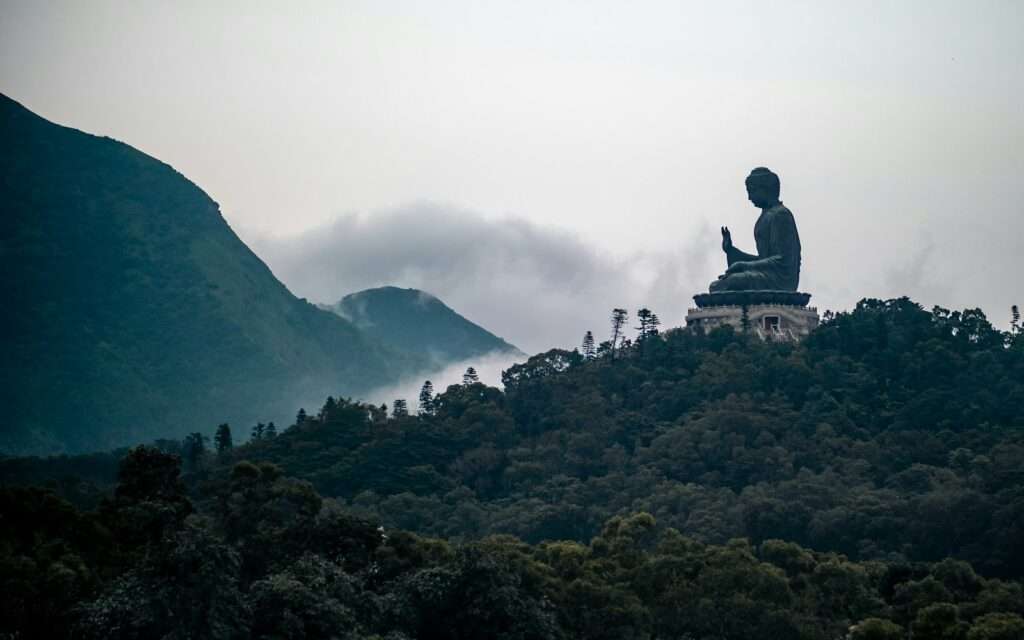
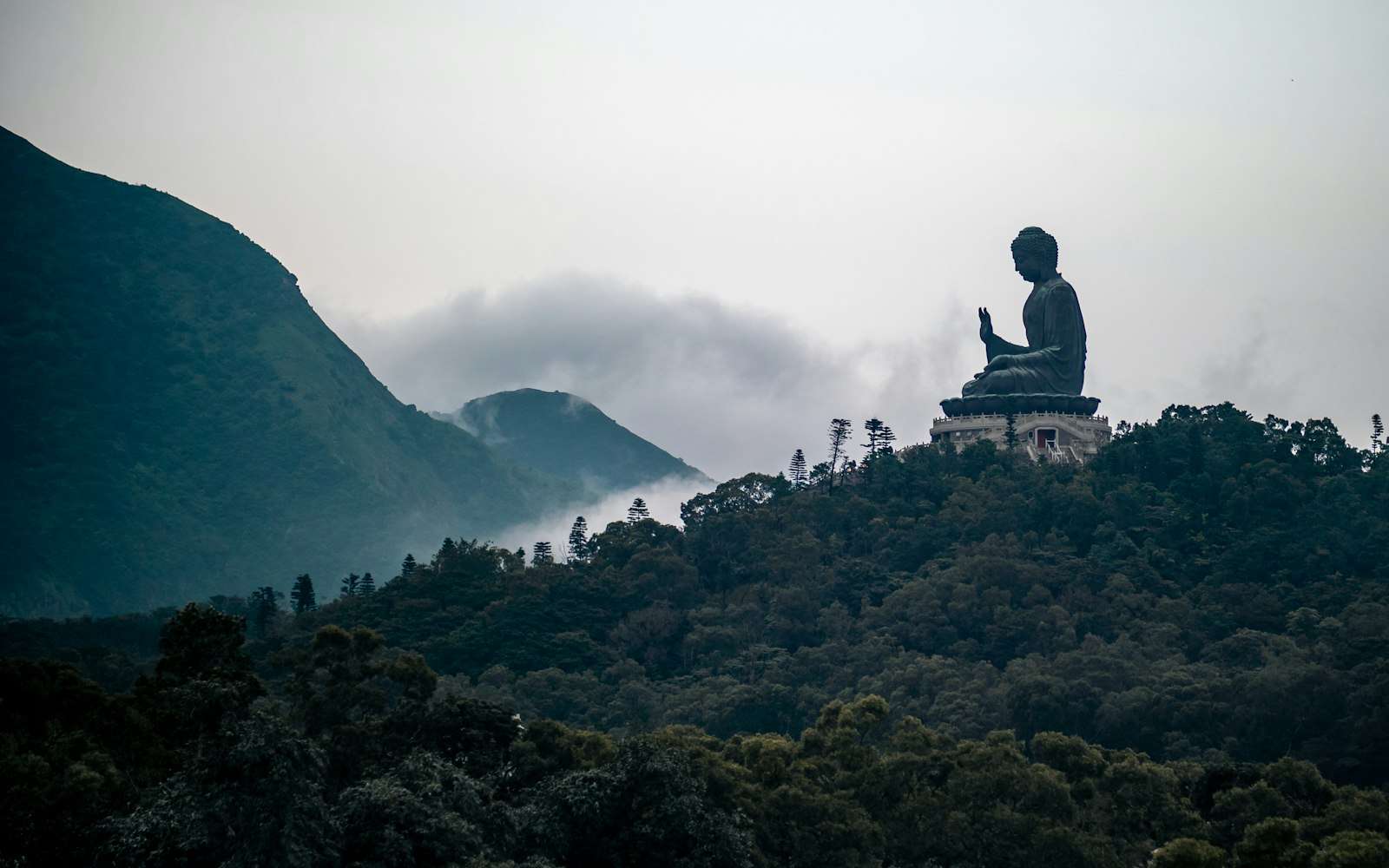
Structure the essential trip as a west-moving day. The Ngong Ping 360 cable car climbs 25 minutes over water and ridgeline — the crystal-floor cabins justify their premium on this route more than most. Book ahead through the official site only (it warns against resold tickets), and check service status, since scheduled maintenance suspends the line periodically. At the top, the Tian Tan Buddha — 34 meters of bronze on a lotus, 268 steps up — sits beside Po Lin Monastery, whose vegetarian kitchen makes the honest lunch; buy the meal ticket with the Buddha visit.
Then take the extension that makes the day: the bus down to Tai O, the stilt-house fishing village on Lantau’s western tip. Tanka houses stand on poles over the tidal channels, the dried-seafood trade runs as it has for generations, and a short boat ride loops the stilts and sometimes finds the resident pink dolphins — sightings are honestly declining, so treat them as a bonus, not a promise.
Purists skip the cable-car queue entirely with the bus up from Tung Chung. Full day, weekday preferred, and no other single island pairs the icon and the authenticity this well.
Read the full Lantau day-trip page.
Macau — Two Cities in One Crossing
Macau is an hour by ferry, or by bus across the 55-kilometer sea bridge — an engineering spectacle in its own right. Macau is two destinations wearing one name.
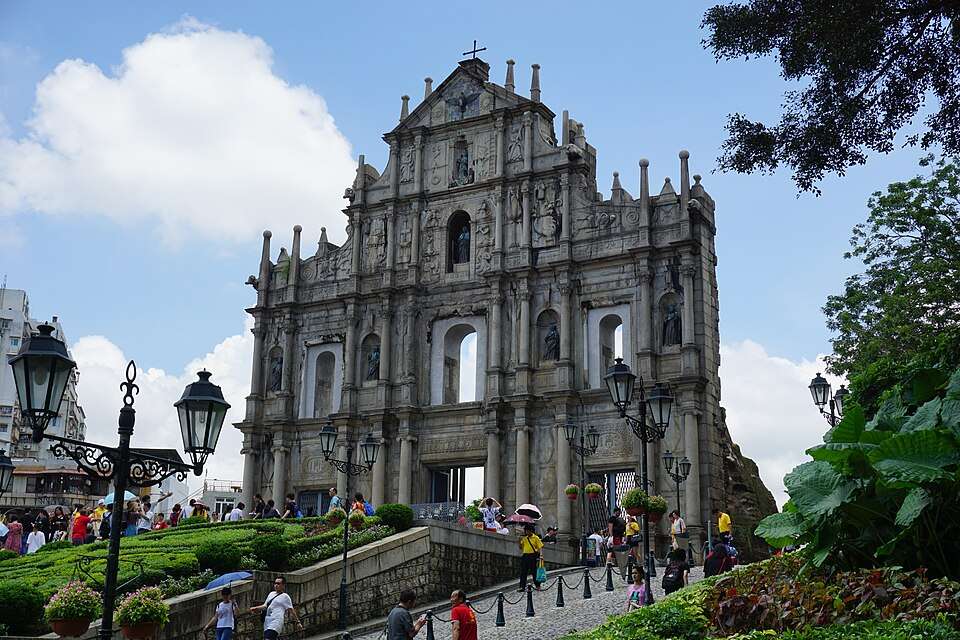
The first is the UNESCO Portuguese-colonial core: the Ruins of St Paul’s facade atop its grand staircase, Senado Square’s wave-patterned paving, the A-Ma Temple that gave the territory its name, and the Rua da Felicidade lanes. It’s a genuine, walkable, and oddly under-visited old town where four centuries of Lisbon-meets-Canton produced the world’s first fusion cuisine. Order Macanese minchi and African chicken; make the pastéis de nata pilgrimage to Lord Stow’s and Margaret’s, and know the rivalry between them is civic.
The second is the Cotai casino strip — indoor gondolas beneath painted ceilings. See one mega-resort’s interior for the sheer scale, then return to the old town, where the day’s value lives.
The rules are simple: passports are required — it’s a separate immigration zone — and ferries book out on weekends, so reserve ahead. The colonial core plus the egg tarts justifies the crossing with no casino required.
Read the full Macau day-trip page.
Lamma & Cheung Chau — The Island Ferries
The near archipelago sorts by temperament.
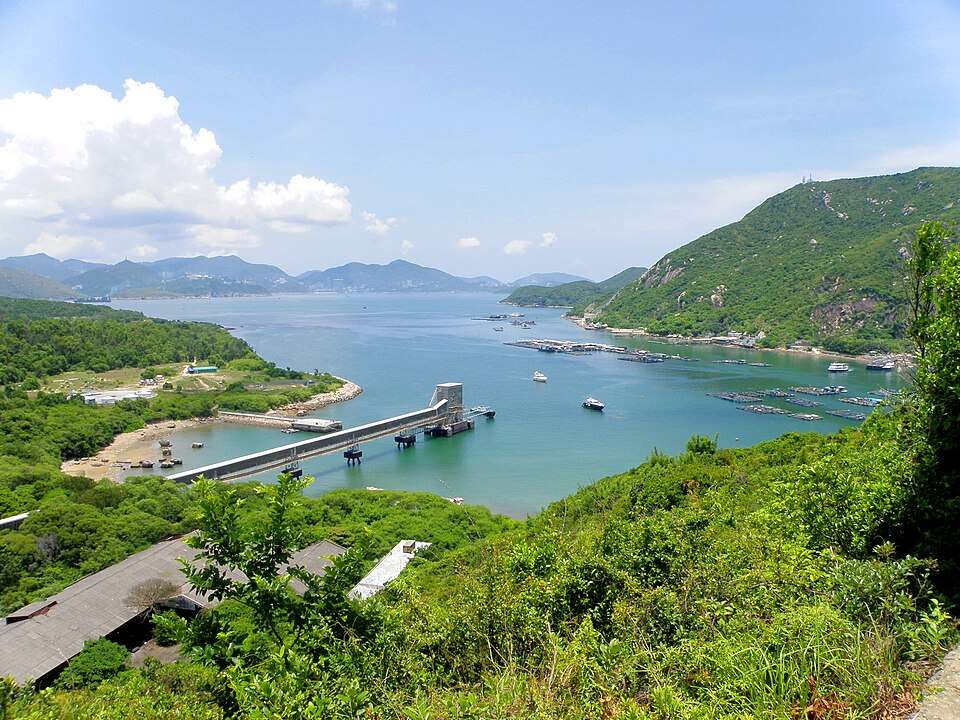
Lamma, thirty minutes from Central, is car-free and low-rise by law, with two ferry piers that define the classic circuit: land at Yung Shue Wan among the banana trees and cafés, walk the 90-minute Family Trail over the island’s spine — Hung Shing Yeh beach and the pavilion viewpoints come en route — and descend to Sok Kwu Wan’s harborside seafood restaurants for the tank-to-table lunch that is the island’s economy. Ferry home from that pier. It’s a natural one-way loop requiring zero planning.
Cheung Chau, forty minutes out, is the denser, saltier village island: a working fishing harbor, mini beaches, the pirate cave of Cheung Po Tsai for the legend quota, and the Pak Tai temple of the famous May Bun Festival — bun-scrambling towers and children’s “floating” parades, the territory’s best festival, booked solid when it runs.
Choose Lamma for the hike-and-seafood day, Cheung Chau for village texture and festival timing. Both run on ordinary public ferries at ordinary prices.
Read the full Lamma Island day-trip page.
Sai Kung — The Back Garden
The Sai Kung peninsula in the eastern New Territories, reachable by MTR plus minibus, holds the beaches that end the “Hong Kong has no nature” conversation permanently.
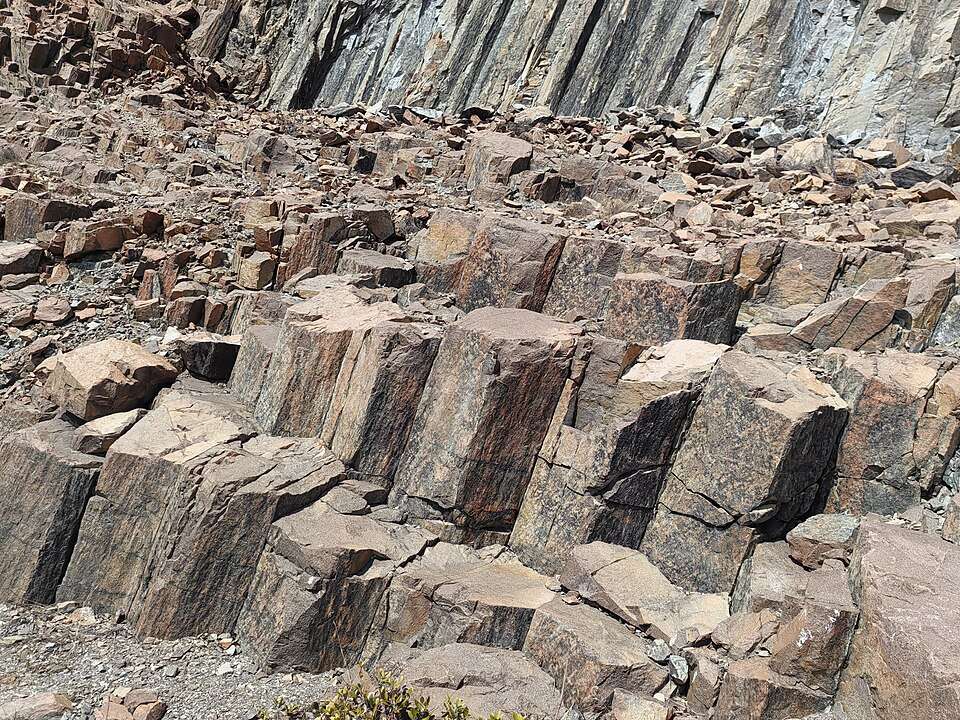
The town runs a harborfront of seafood restaurants and sampan vendors selling the catch boat-to-customer. Behind it, the Hong Kong UNESCO Global Geopark holds hexagonal volcanic sea columns that are genuinely world-class — boat tours from Sai Kung loop the sea stacks, arches, and caves in about half a day.
Then the beach ladder: Hap Mun Bay by small kaito ferry for the easy family crescent, and — for the committed — the hike over the pass to Tai Long Wan’s beaches at Sai Wan and Ham Tin, wild surf sand that photographs as Southeast Asia rather than a city territory. Count the honest cost: a real hike in, minimal facilities, and a speedboat-back option for tired legs. Full day, more nature for less transit money than anywhere in the region, and typhoon-season sea conditions govern all the boat elements.
Read the full Sai Kung day-trip page.
The Dragon’s Back & the Hiking Surprise
Hong Kong is a world-class hiking destination, and the Dragon’s Back is the headline: an hour from Central by MTR and bus to the Shek O ridge, then ninety minutes of undulating trail with the surf coast on one side and island-studded sea on the other, finishing with a descent to Big Wave Bay’s beach and its surf-shack cafés. Pack swim gear.
Grade it honestly: a genuine but gentle ridge walk. Proper shoes and water suffice, and the “world’s best urban hike” press it once received is only mild hyperbole. Return visitors escalate to Lion Rock — the harder climb, the more famous view, and the territory’s emotional landmark — or Violet Hill and the Twins for stair training.
One seasonal rule: October through March is hiking season proper. Summer humidity turns every trail into a test. And the country parks’ transit access means none of this needs a tour.
The Peak, the Ferry & Hong Kong Itself
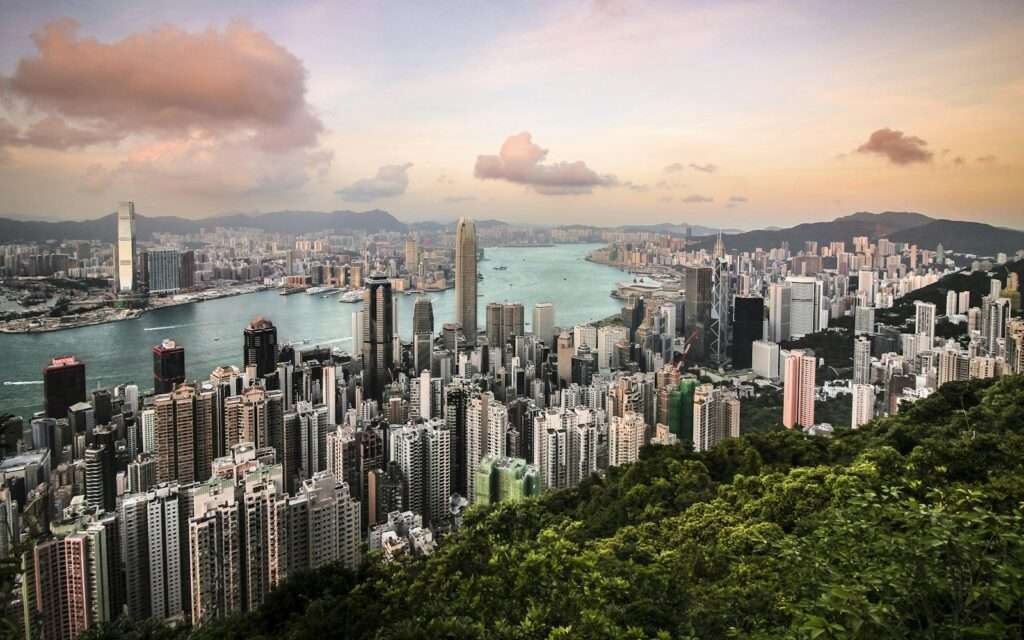
Start with queue honesty. The Peak Tram is a heritage icon with heritage-icon lines. The alternatives: the No. 15 double-decker bus climbs the same summit scenically at a tenth of the cost, or split the difference — tram up, bus down. At the top, skip the paid Sky Terrace unless conditions are perfect and walk the free Peak Circle Walk instead; its Lugard Road viewpoints deliver the harbor panorama the terrace charges for.
The Star Ferry remains the world’s best-value icon: seven minutes from Central to Tsim Sha Tsui for pocket change. Ride the upper deck at dusk, when the skyline lights come up; the 8 p.m. Symphony of Lights is pleasant accompaniment, not a destination.
The eating curriculum: dim sum with the rules attached — pour tea for others first, tap fingers in thanks — at the cart-service houses that trade chaos for theater, with the Tim Ho Wan queue still the value benchmark. Char siu and roast goose at the specialist shops; Yat Lok and Kam’s hold Michelin stars. Dai pai dong street stalls for the vanishing open-air generation, and egg tarts with milk tea at a cha chaan teng as the daily ritual.
The texture: ride the Central–Mid-Levels escalators through SoHo, take the ding-ding trams end to end for the cheapest tour of the island’s north shore, and rate Temple Street’s night market honestly — strong atmosphere, souvenir-grade merchandise, with the fortune tellers and opera singers as the real show. An Octopus card runs everything here, ferries included. Shenzhen across the border requires a Chinese visa for most nationalities — a planning item, not an impulse. October through December is the best season: clear, dry, and the trails at their finest.
Frequently Asked Questions
Is the Big Buddha worth the cable car price?
The ride justifies itself on views — book through the official site and check service status — but the full day pairs the Buddha with Tai O’s stilt village by bus, which is where Lantau’s authenticity lives.
Do you need a passport for Macau?
Yes — separate immigration, an hour by ferry or bridge-bus. The UNESCO Portuguese old town and the egg tarts justify the trip; the casinos are optional anthropology.
What is the best hike in Hong Kong?
The Dragon’s Back — MTR-accessible, ninety minutes of ridge with sea views on both sides, ending at Big Wave Bay’s surf beach. October–March is the season; summer humidity is the honest deterrent.
Which outlying island should you visit?
Lamma for the classic walk-and-seafood circuit between its two ferry piers; Cheung Chau for working-village texture and the May Bun Festival. Both run on cheap public ferries.
Is the Peak Tram worth the queue?
It’s the heritage icon, but the No. 15 bus delivers the same summit scenically at a fraction of the cost and wait — and the free Peak Circle Walk beats the paid terrace for views.